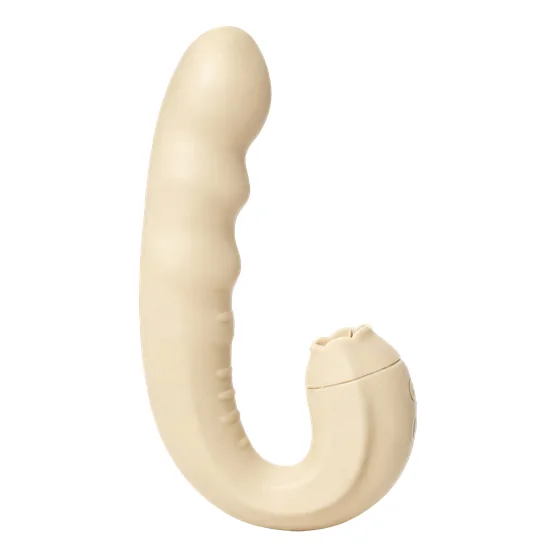
Best Overall (3-Zone Stimulation)
Cosara Triple Vibe ($97.00)
Combines rhythmic thrusting, G-spot vibration, and gentle tongue-motion clitoral stimulation in platinum-cured medical silicone with 10 intensity levels.
Choosing the right vibrator comes down to three things: stimulation style (rumbly vs. air-pulse vs. dual-action), non-porous body-safe materials, and ergonomic fit. Here is everything our testing panel learned after evaluating dozens of models.
Combines rhythmic thrusting, G-spot vibration, and gentle tongue-motion clitoral stimulation in platinum-cured medical silicone with 10 intensity levels.
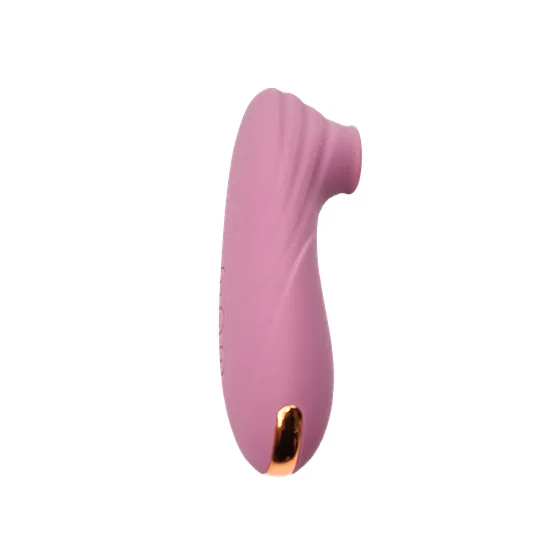
Touchless sonic air-pulse waves wrapped in ultra-soft silicone for fast, pinpoint external stimulation without overstimulation or numbness.
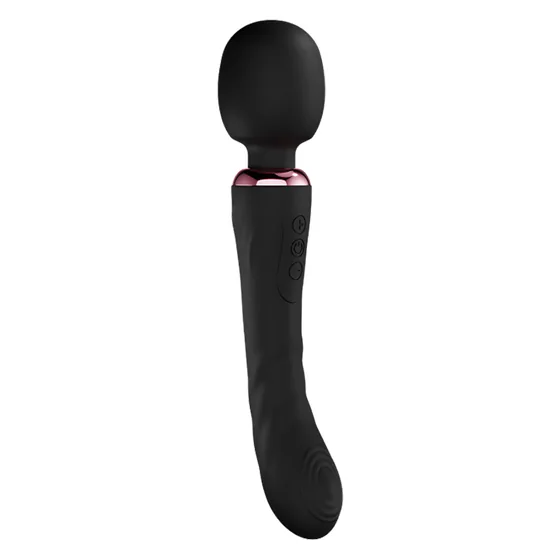
Flexible neck, whisper-quiet brushless motor, and deep low-frequency rumbly vibrations in a cordless waterproof body.
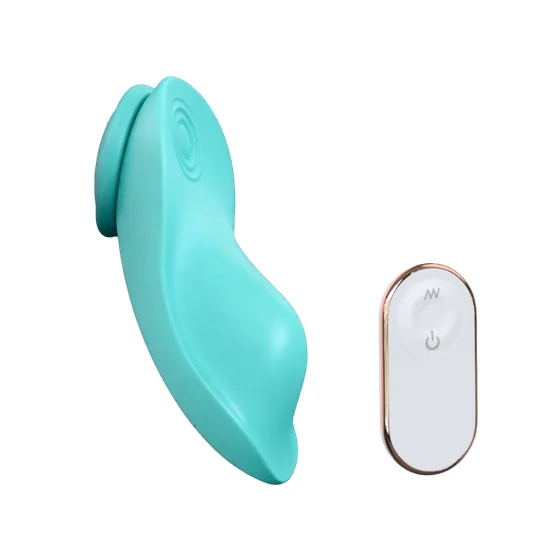
Contoured magnetic clip-in panty vibrator with wireless remote control for solo relaxation or discreet partnered play.
Modern vibrators fall into six distinct mechanical categories. Understanding how each motor delivers sensation prevents the most common buyer mistake: picking a buzzy surface toy when your body responds better to deep rumbly pressure or air-pulse waves.
Two vibrators can look identical on screen yet feel completely different in hand. High-frequency, low-amplitude ('buzzy') motors sit right on the skin surface—similar to an electric toothbrush—and can cause temporary desensitization after a few minutes.
Low-frequency, high-torque ('rumbly') motors send deeper bass waves 1–2 centimeters beneath the tissue, engaging the full internal clitoral network smoothly and comfortably. In all PleasureWire roundups, rumbly motors earn higher Effectiveness scores.
Because intimate mucous membranes are highly absorbent, material purity is our single highest-weighted testing criterion:
Wash non-porous silicone toys before and after every session with warm water and mild, fragrance-free soap or an alcohol-free intimate toy cleaner. Pat dry with a lint-free towel and let air-dry completely before placing in a breathable satin or cotton pouch.
Store silicone devices separately so two silicone surfaces do not rest directly against each other in warm drawers, and top up lithium-ion batteries every 3–4 months to preserve cell longevity.
For external-only beginners, an air-pulse stimulator like the Cosara Succulent or a compact wand like the Cosara Charley offers intuitive intensity steps without overwhelming setup. For blended internal and external sensation, the Cosara Triple Vibe lets you control zones independently.
Check the IPX rating: IPX7 devices can be submerged up to 1 meter for 30 minutes (bath-safe), whereas IPX4–IPX5 devices are splash-resistant for rinsing at the sink or light shower use only.
Whisper-quiet vibrators measure under 45–50 dB at 30 cm—roughly the level of a quiet refrigerator hum—and cannot be heard through a closed bedroom door.